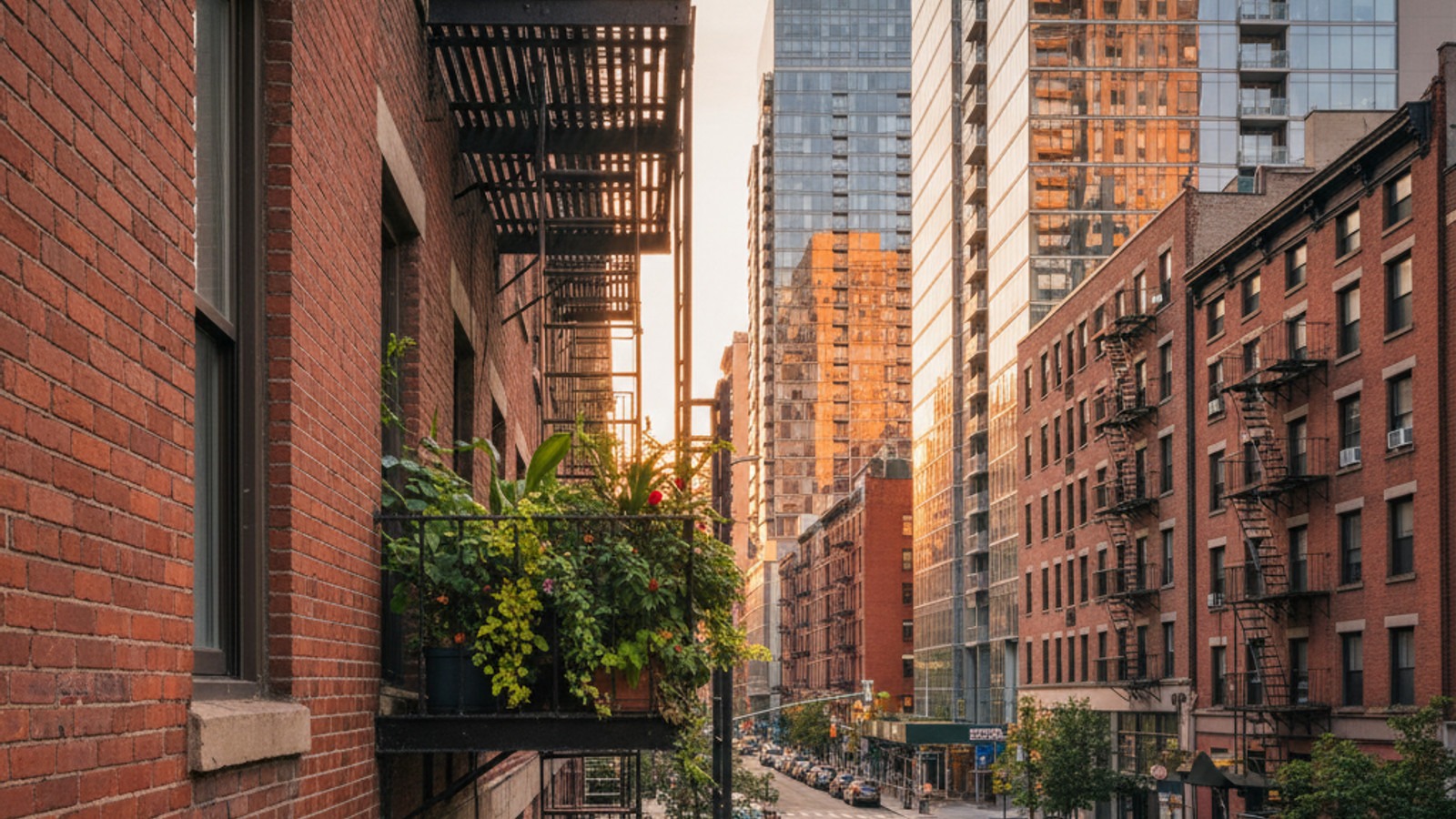
There is perhaps no neighborhood in Manhattan that embodies the "high-low" mix quite like the Lower East Side (LES). One minute you are walking past a historic tenement building where generations of immigrants started their American journey, and the next you are standing in the shadow of a glass-walled luxury tower. Because of this unique housing stock, pinning down the price of rent here can be tricky.
If you look at the aggregate data for February 2026, the average rent in the Lower East Side sits around $5,773.
However, don't let that number scare you off immediately. That average is heavily skewed by a wave of new luxury developments entering the market. If you are willing to walk up a few flights of stairs in a pre-war building, the price tag drops significantly. Whether you are looking for homes for sale in Manhattan or just a temporary rental, understanding this duality—$5 dumplings next door to $20 cocktails—is key to budgeting for the LES.
Lower East Side Rental Market Overview (2026)
Before we get into specific unit prices, it helps to understand the temperature of the market right now. As of early 2026, the LES is experiencing a tight, landlord-favored environment. Deals move quickly, and hesitation can often mean losing an apartment.
Here is a snapshot of what we are seeing on the ground:
Prices are creeping up: We are seeing a slight year-over-year increase in rent prices, generally ranging between 0.4% and 5% depending on the building class.
Inventory is tight: The number of available listings is down roughly 8% compared to last year.
Vacancy is low: With vacancy rates hovering between 1.6% and 2.5%, apartments do not sit empty for long.
If you are planning on moving to Manhattan soon, prepare your paperwork early. In a market this competitive, being ready to sign immediately is your best leverage.
Average Rent by Apartment Size
When budgeting, the size of the unit is the biggest variable. While the neighborhood average is high, breaking it down by door count gives you a more realistic target for your monthly expenses.
Studio Apartments: These are the entry point for solo renters. The average currently sits around $4,203. However, if you hunt for older inventory without amenities, you can still find studios closer to the $3,000 mark.
1-Bedroom Apartments: This is the most common search configuration. Prices vary wildly here, generally falling between $4,600 and $6,134. The lower end usually represents walk-ups, while the higher end gets you into elevator buildings with door staff.
2-Bedroom Apartments: If you are looking to split costs with a roommate, the average 2-bedroom commands about $6,874. While steep, splitting this rent often works out cheaper per person than renting a solo studio.
For more details on how square footage impacts pricing, it is worth reading up on an apartment size guide for NYC to manage your expectations.
The Price Gap: Luxury High-Rises vs. Walk-Up Tenements
This is the most critical part of understanding the Lower East Side market. The "average" rent is a middle ground that rarely exists in reality; usually, you are renting at one extreme or the other.
The Walk-Up (The Deal): The LES is famous for its pre-war tenement buildings. These units usually lack elevators, doormen, and in-unit laundry. In exchange for the cardio workout of climbing stairs, you get a significant discount. Rents for a 1-bedroom in these buildings often hover in the $2,800 to $3,500 range—roughly 30-40% lower than the neighborhood average.
The Luxury Tower (The Skew): In the last decade, high-end developments have popped up, offering roof decks, gyms, and concierge services. These buildings push the averages up significantly. A studio in one of these towers can easily start at $5,000+.
When searching online, always filter by building type. If you see a price that looks too good to be true, it’s likely a 5th-floor walk-up. If it seems incredibly expensive, you are likely paying for a skyline view and a gym.
Neighborhood Comparison: LES vs. East Village & Chinatown
If the numbers in the Lower East Side aren't quite lining up with your budget, it is smart to look at the immediate neighbors. The LES is centrally located, but moving just a few blocks north or south can change your rent check.
vs. East Village: The East Village vibe is similar, but the housing stock is slightly older with fewer brand-new developments. Consequently, 1-bedroom apartments there average around $3,999, which is lower than the $4,600+ you might see in the LES.
vs. Chinatown: If you head south into Chinatown, prices drop significantly. The trade-off is often older buildings and fewer modern amenities, but it remains one of the more affordable pockets of Manhattan.
vs. Manhattan Average: Surprisingly, the Lower East Side often trends above the Manhattan median rent of $4,730. This is largely due to the influx of luxury inventory mentioned earlier.
For those strictly hunting for value, checking a guide on the cheapest neighborhoods in Manhattan might offer alternatives if the LES proves too pricey.
Hidden Costs of Living in the Lower East Side
Signing the lease is just the first step. When calculating your total monthly outflow, you need to factor in the "hidden" costs specific to this neighborhood's infrastructure.
Utilities and Comfort: Many of the affordable walk-ups have older windows that can be drafty in the winter, leading to higher heating bills if you control your own heat, or higher electric bills in the summer as AC units work overtime. Conversely, many pre-war buildings include radiator heat in the rent, so be sure to ask.
Laundry Services: In-unit laundry is a rarity in standard LES apartments. Most locals use drop-off wash-and-fold services or laundromats. You should budget an extra $60 to $100 per month for this if your building doesn't have machines in the basement.
Lifestyle Spending: The LES is a nightlife destination. While you have access to incredible cheap eats, the temptation of high-end cocktail bars and clubs is right outside your door. It is easy to save on rent by choosing a walk-up, only to spend the difference on $18 drinks because the venue is convenient.
Frequently Asked Questions
Is the Lower East Side expensive compared to the rest of Manhattan?
Yes, it is generally considered a mid-to-high tier market. Because of the recent boom in luxury developments, the average rent in the LES often exceeds the overall Manhattan median, though affordable pockets still exist in older tenement buildings.
What is the average rent for a 1-bedroom in the Lower East Side?
As of early 2026, the average rent for a 1-bedroom apartment ranges from $4,600 to $6,100. This wide range depends heavily on whether you choose a pre-war walk-up or a modern luxury building.
Did rent prices in the Lower East Side go up in 2026?
Yes, rents have seen a slight increase, generally between 0.4% and 5% year-over-year. At the same time, inventory has tightened, making the market more competitive for prospective renters.
What salary do you need to live in the Lower East Side?
Landlords typically require you to earn 40 times the monthly rent. For the average apartment price of $5,773, you would need an annual household income of approximately $230,920. However, if you target a more affordable walk-up at $3,000, the income requirement drops to roughly $120,000.