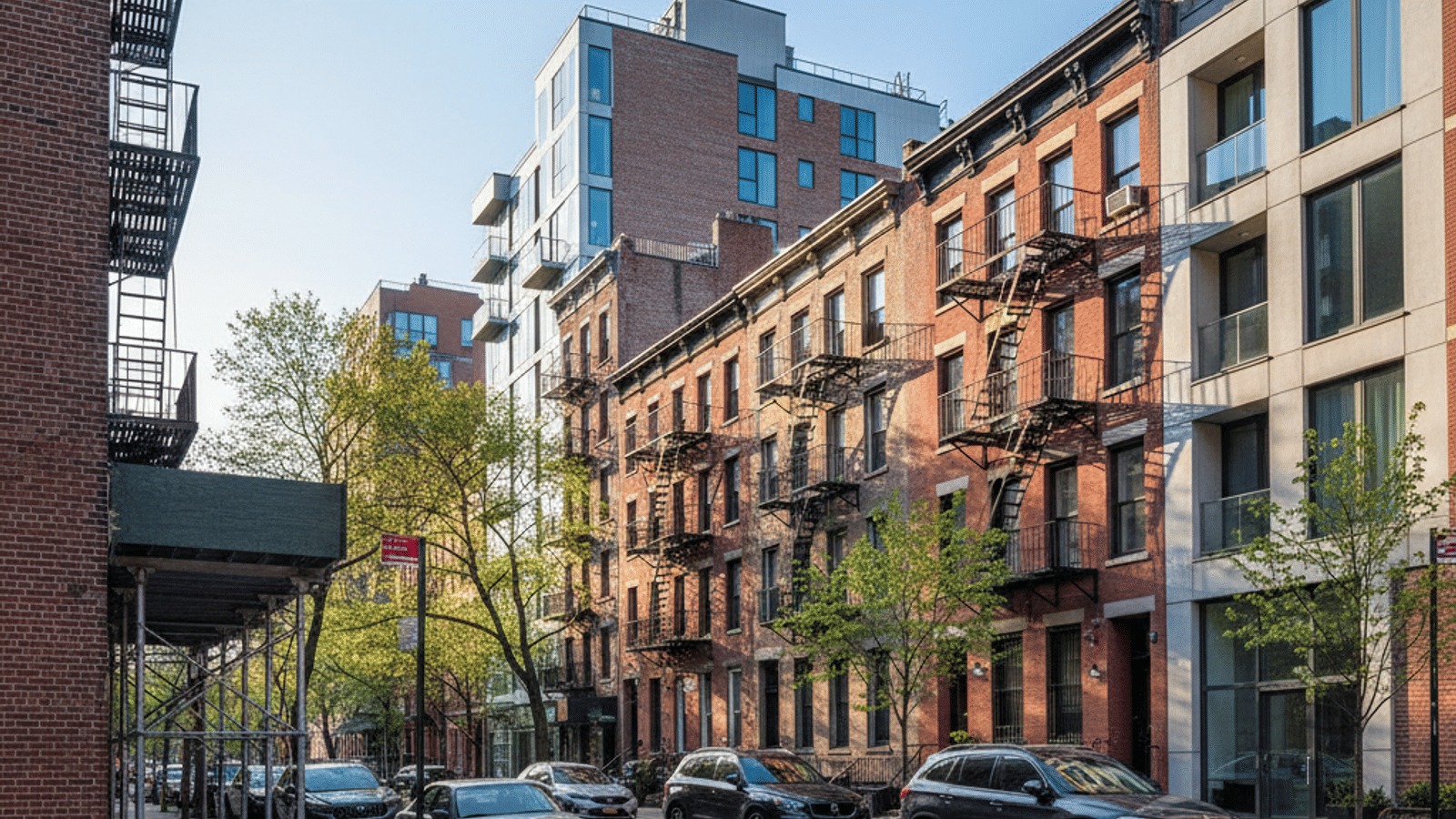
Searching homes for sale in the Lower East Side usually means shopping for an apartment—most often a co-op or condo—in a neighborhood where the building matters as much as the address. Two listings on the same block can live very differently once you factor in monthly charges, renovation rules, sublet policies, and how the board approval process works.
This page is set up to help buyers do two things: scan current listings quickly, then narrow down the options in a way that matches how people actually buy in the Lower East Side. Focus on the building first, the layout second, and the block third. That order saves time.
Homes for Sale and Active Listings
Use the listings below to explore Lower East Side inventory by price, beds, and building type.
Filters that tend to matter most here: co-op vs condo, elevator/doorman, outdoor space, monthly charges, and pet policy. Buyers also keep an eye on assessment notes and whether the apartment needs a full renovation or just cosmetic work.
{IDX}
Neighborhoods and Property Types
The Lower East Side covers multiple neighborhoods that buyers treat differently in real life. Around Delancey and Essex, inventory leans toward mid-rise buildings and newer condo options mixed in with older walk-ups. The Orchard/Ludlow side tends to be more about smaller buildings and tighter layouts, where light and noise levels can swing widely by floor and exposure.
The Grand Street corridor and the East River edge include larger co-op buildings and well-known co-op communities (often called “Co-op Village”), where monthly maintenance and board requirements become a central part of the decision. Buyers also find pockets of loft-style apartments and converted buildings, but the key is always the same: building financials, rules, and management quality affect day-to-day ownership.
Across Lower East Side real estate, the most common “homes for sale” are:
• Co-op apartments (board approval, maintenance, house rules)
• Condos (common charges, typically more flexibility on sublets)
• Walk-up apartments (lower monthly costs sometimes, but stair trade-offs)
• Elevator/doorman buildings (convenience, usually higher monthly charges)
Lower East Side Manhattan, NY Market Trends
• Median sale price: $699,000
• Median days on market: 53 days
• Homes sold (recent month): 29
For buyers, the Lower East side market rewards preparation more than guesswork. The strongest offers usually come from buyers who already know their financing path (or have their co-op financial profile ready) and can move through due diligence without getting stuck on basic building questions.
It also puts more weight on the specific apartment: condition, layout efficiency, monthly charges, and building rules often decide which listings get serious interest and which sit. A clean, realistic plan for board timing and closing steps matters just as much as the offer price.
Living in Lower East Side as a Homebuyer
Living in the Lower East Side is very block-specific. Some buyers prioritize being close to the Essex/Delancey subway area for commuting. Others want easier access to the East River side parks and waterfront routes. Many day-to-day errands happen along Grand Street and the larger retail corridors nearby, with options that range from small neighborhood shops to bigger grocery runs a short trip away.
The practical advice is simple: buyers usually feel confident after they’ve walked the route from the building to the subway, checked the nearest groceries, and spent ten minutes outside the building at the time of day they expect to come home. That small routine test clears up a lot.
Your Local Real Estate Expert
Jacob Goldman is the Founder and Principal Broker of LoHo Realty, based on Grand Street in New York, NY. His work is concentrated in Lower East Side residential sales, with a strong focus on co-op transactions and the “Co-op Village” communities, including Seward Park, East River, Amalgamated, and Hillman.
His background includes a J.D., which is useful in NYC real estate where contracts, disclosures, and co-op board packages can be detailed. The stats in his bio include $700M+ in career sales volume and 1,270+ co-op sales closed, along with neighborhood and citywide ranking claims as provided. In practice, buyers lean on that experience for building-by-building guidance, board requirements, and a clean path from accepted offer to closing.
Schools, Commutes, & Daily Logistics
Many homes in the Lower East Side fall under NYC public school planning that’s tied to zoning and district rules, with address-by-address details worth verifying before an offer. Examples of local public schools that appear in neighborhood school lists include PS 42 Benjamin Altman, PS 184 Shuang Wen, and PS 110 Florence Nightingale.
For commuting, buyers often center their search around access to subway stations near Delancey/Essex and Grand Street, plus the bus routes that run along major crosstown streets. Daily errands often revolve around Grand Street and the Essex Street area, where groceries, pharmacies, and basics are easy to stack into one trip.
Buyer FAQs About NY Real Estate
Are there apartments for sale in the Lower East Side right now?
Yes. Most homes for sale in the Lower East Side are apartments, typically co-ops and condos, with a smaller number of loft-style units and occasional townhome-style properties. Inventory changes often, so buyers get the best results by saving a search and narrowing by building type and monthly charges.
What’s different about buying a co-op in the Lower East Side?
A co-op purchase usually includes board approval, a detailed financial package, and building rules that affect renovations, pets, and sublets. Buyers should review maintenance, recent assessments, and the building’s financials early. The goal is to avoid falling for a listing that won’t match financing or board requirements.
What should buyers review in a building’s monthly charges and financials?
Start with what the monthly payment covers (taxes, utilities, staff, amenities) and whether there are current or recent assessments. Ask about reserve levels, refinancing history, and upcoming capital projects. In Lower East Side buildings, those details can matter as much as price because they change true monthly ownership cost.
How should buyers evaluate safety and block-by-block comfort in the Lower East Side?
Treat it like a real checklist, not a headline. Visit the block in daylight and later in the evening, walk the subway route you’d use, and note lighting, foot traffic, and building entry security. Buyers can also review NYPD precinct reporting and talk with residents for context.
How do buyers narrow a Lower East Side listing search without missing good options?
Most buyers start broad, then tighten filters in a specific order: building type (co-op or condo), max monthly charges, elevator/doorman needs, outdoor space, and renovation tolerance. After that, focus on a few micro-areas within the Lower East Side and track listings there for a couple of weeks.