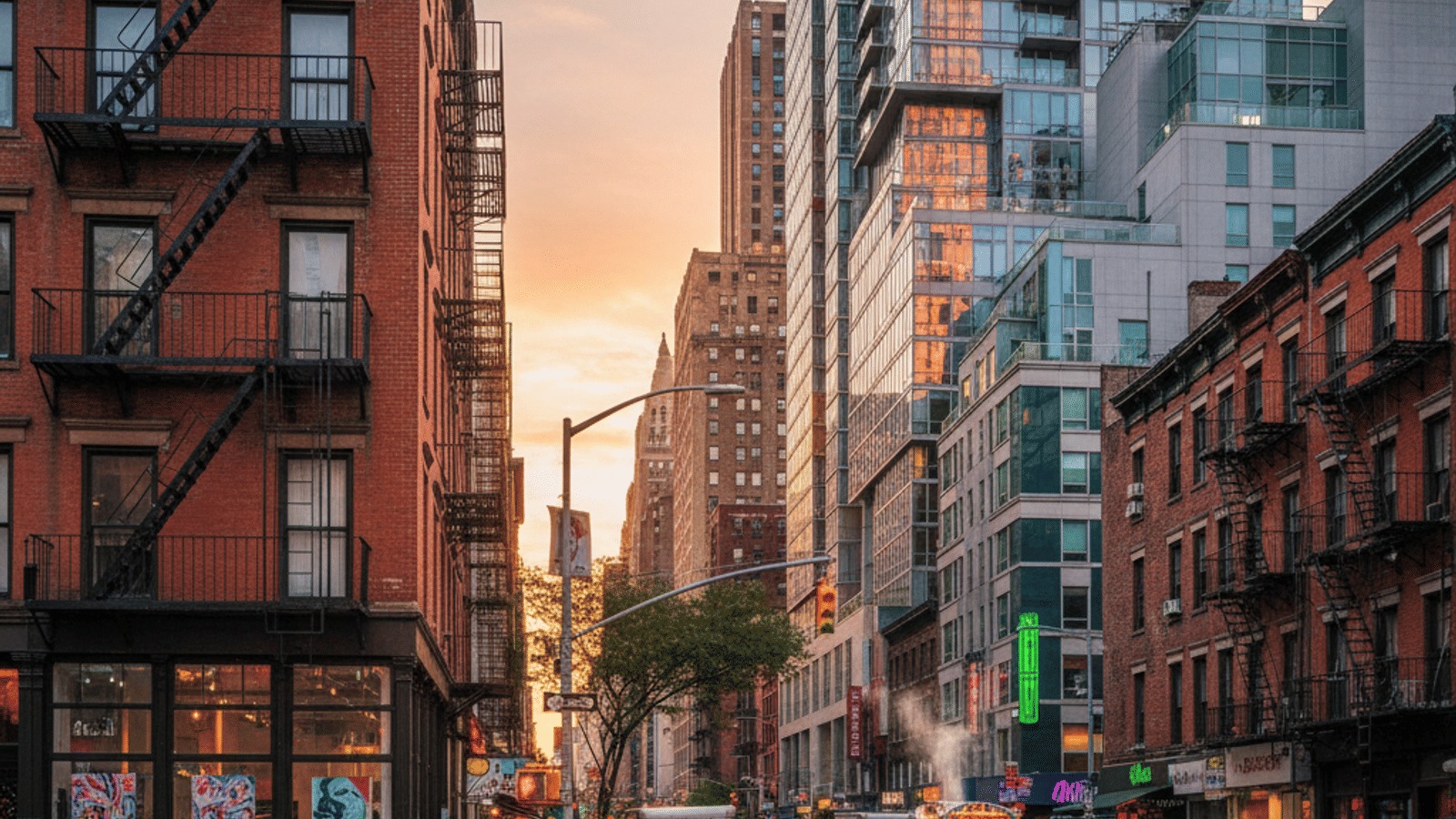
If you’re looking at homes for sale in the Lower East Side or thinking of living in Manhattan: the LES — an iconic, history-rich neighborhood known for nightlife and grit — is generally safe for residents compared with other major metro areas, but it requires different street smarts. Walking home alone at 2 AM is possible on many blocks, though your comfort will depend on the specific street and your situational awareness.
The LES’s vibe is a high-density mix of luxury condos, historic tenements, and social housing — busy, loud, and sometimes chaotic. For most people, safety here is less about violent crime and more about managing crowds, noise, and theft risk; being aware of your surroundings, choosing well-lit routes, and watching belongings goes a long way.
Lower East Side Crime Stats: The Numbers - 7th Precinct
The LES falls under the NYPD’s 7th Precinct — long-term crime is way down from the rough 1990s, though recent years show mixed trends worth noting if you’re moving here. Serious violent crime and shootings have been trending downward in the 2024–2025 datasets, which is encouraging.
Because the neighborhood stays active at all hours, it’s heavily patrolled and busy streets often deter stranger-on-stranger violence. That said, the core safety issue for residents is property crime: robbery and grand larceny remain persistent.
“Grand larceny” in the LES usually means opportunistic theft — unattended bags taken in crowded bars, or phones snatched from sidewalks; sometimes by fast-moving scooters. Violent-crime figures sit moderately above the NYC average, but many incidents are tied to nightlife disputes and bar fights rather than random, unprovoked attacks on locals.
Block-by-Block: Safest Areas vs. "Gritty" Zones
LES shifts block-by-block — one block can feel lively and well-lit while the next is quiet and isolated. Here’s a clear breakdown by zone:
• West of Essex - Bowery / Orchard: The neighborhood’s dense, trendy core — loud and packed with people. High foot traffic, bouncers, and idling Ubers make it feel safer at night, but the trade-off is constant noise.
• Seward Park & Grand St: South of Delancey toward Grand Street - Co-op Village - is calmer and community-oriented. This residential area is quieter and generally feels very safe — more about daily life than nightlife.
• East of Essex & the Waterfront: Heading east toward the river, streets thin out, lighting drops, and commercial activity fades. Bordering East River Park and several NYCHA developments, this zone has fewer “eyes on the street” — not inherently dangerous, but stick to well-lit routes.
• Canal Street border: Busy, chaotic, and tourist-heavy. The confusion of traffic, vendors, and crowds makes this a hotspot for petty theft and pickpocketing — stay alert with valuables here.
The "Hell Square" Factor: Nightlife & Safety
If you are living in the Lower East Side, you know that you can’t talk about LES safety without mentioning “Hell Square” — the local nickname for the roughly nine-block zone centered on Ludlow, Rivington, and Orchard Streets. It has one of the highest densities of liquor licenses in New York City, so Friday and Saturday nights flood the streets with people and a heavy nightlife crowd. That volume of intoxicated visitors raises the odds of fights, harassment, and other unpredictable behavior more than it raises the risk of random muggings.
For residents the bigger issue in Hell Square is quality of life: sleep deprivation, noise, and the stress of navigating chaotic crowds on weekend nights. Weekends can feel overwhelming, so if you’re walking through on a Saturday night stay alert for aggressive behavior and consider skirting the perimeter to get home faster and quieter.
Parks and Transportation Safety
Public spaces shape how safe a neighborhood feels and this affects the best neighborhoods in the Lower East Side. In the LES two spots come up in every consultation — the subway hub and the main park — and here’s how they break down:
• Delancey–Essex Station: the neighborhood’s major transit artery: incredibly convenient and heavily policed, but off-hours it can feel sketchy due to homeless congregation and occasional aggressive panhandling. It’s functional for travel, but not a place to linger late at night; stay aware and keep belongings secure.
• Sara D. Roosevelt Park: a long, narrow park that has historically been a trouble spot for drug activity. Community efforts in 2024–2025 improved the southern section near Chinatown - courts and playgrounds - but the central stretches can still feel unsafe after dark. Tip: avoid cutting through the park alone at night; use the sidewalks on Chrystie or Forsyth instead.
• East River Park: a great daytime amenity for joggers and cyclists, but it’s isolated from the main grid by the highway. The park is pleasant in daylight, yet some stretches become desolate after sunset — best to avoid the quieter sections once it’s dark.
Gentrification and the Changing Landscape
The Lower East Side’s safety profile is changing quickly thanks to projects like Essex Crossing — a massive development that brought high-end retail, a Trader Joe’s, and the Market Line to Delancey Street. That “Essex Crossing Effect” has added steady foot traffic and much-improved street lighting on corners that used to be dark, helping bridge the gap between the busy nightlife corridors and quieter southern blocks.
Still, the contrast across the LES remains stark: luxury glass condos sit beside historic tenements and public housing, which is central to the neighborhood’s diverse, vibrant identity but also creates friction. As a newcomer, expect that mix and be respectful of the long-term community—understanding the area’s deep immigrant history and acting like a considerate neighbor are part of staying safe and fitting in.
Practical Safety Tips for LES Residents & Visitors
You don't need to live in fear to enjoy the LES, but you do need to be practical. Here are a few tips I give to anyone looking for homes in the area.
• Package Theft: This is likely the #1 crime you will actually experience. In walk-up tenements without doormen, packages left in vestibules are targets. Use Amazon Lockers or have expensive items shipped to your work address.
• Street Smarts: Don't walk around staring at your phone, especially near the Delancey subway entrances. It makes you an easy target for snatch-and-grab theft.
• Bar Safety: If you are hanging out at popular venues like Pianos or Mr. Purple, watch your drinks and your bags. It’s crowded, and unattended purses disappear quickly.
• Late Night Routes: If you are walking home alone past 2 AM, stick to the avenues like Allen, Essex, and Delancey. They are well-lit and have traffic.
FAQs
Is the Lower East Side safe at night?
Yes, but it depends on the block. Areas that have nightlife nightlife spots—like Ludlow and the area known as Orchard—are very packed and pretty safe because of the crowds, but they can also be crazy. Areas to the east and near the parks can also mean pretty dark and deserted streets—stick to the bright streets when walking home late by yourself.
Is the Lower East Side safe for tourists?
Usually, yes. While tourists rarely get caught up in violent crime, they are frequently the victims of pick-pocketing and scams. Keep your wallet in the front pocket of your pants and be attuned to your surroundings, especially around the area of the Williamsburg Bridge and in crowded train stations.
What are ‘the bad’ areas of the Lower East Side?
There are not necessarily “bad” neighborhoods, but some that necessitate more care on the part of the visitor. The interior portions of Sara D. Roosevelt Park may be dangerous at night because of the prevalence of drug use. In addition, the environs immediately surrounding the Williamsburg Bridge entrance and the very eastern edge of the waterfront may be quite deserted and lack the “eyes on the street,” present in the central area.