Manhattan real estate moves fast, and the Lower East Side is no exception. The median sale price for a one-bedroom apartment in this neighborhood hovers around $850,000 as of mid-2026. Buyers face a market defined by low inventory and fast-moving bidding wars.
Many buyers focus on this area because of its direct subway access to Midtown and the Financial District. For those researching the market for Young Professionals Lower East Side, NY, understanding the distinct building types available south of Houston Street is the first step. The F, M, J, and Z trains run directly through the neighborhood, cutting commute times down to 15 or 20 minutes for most downtown workers.
What to Expect from the Local Market
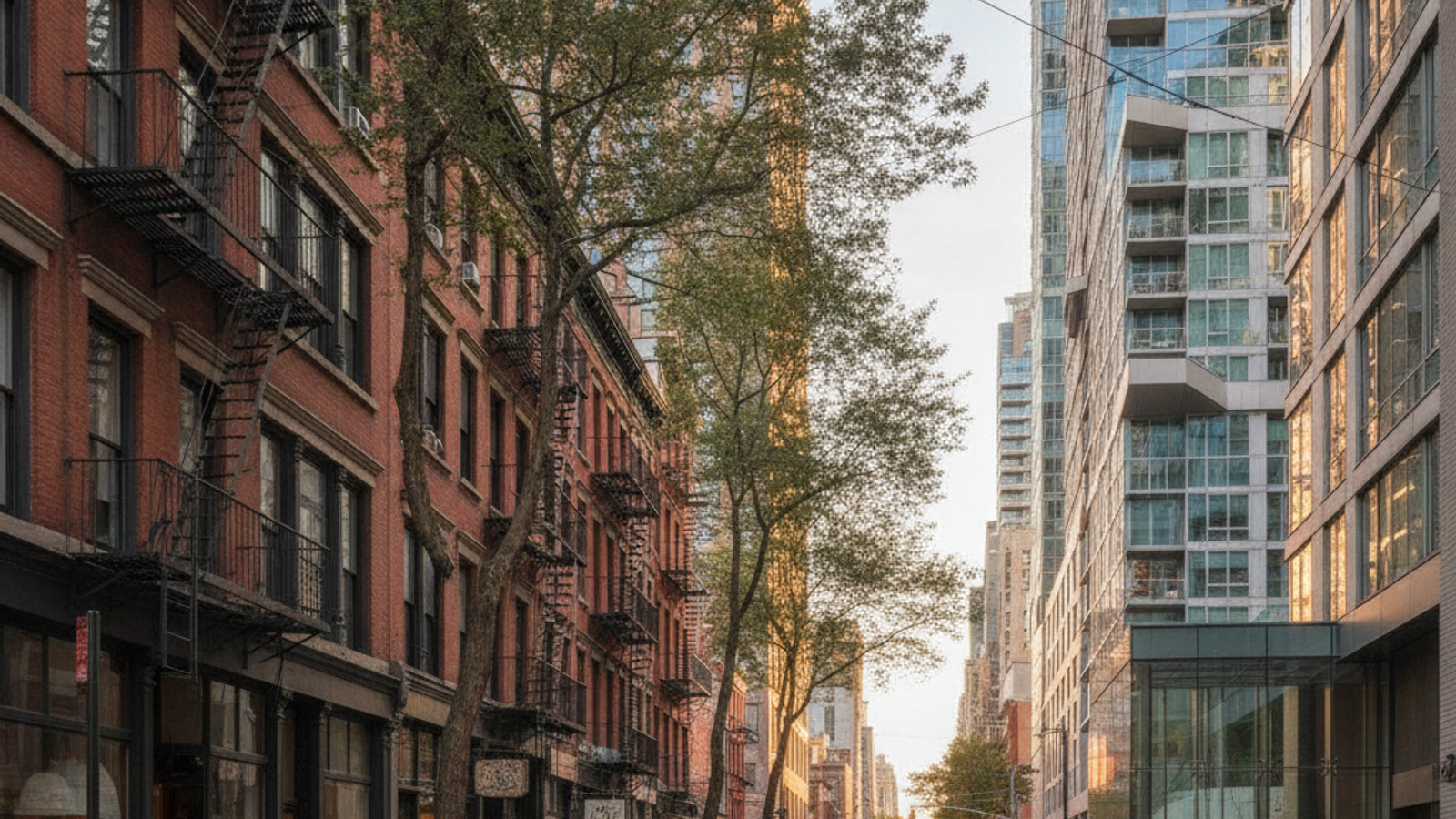
Available homes in this part of Manhattan fall into two distinct categories: pre-war co-ops and newer condominium buildings. Co-ops make up the majority of the inventory, particularly in the historic walk-up buildings lining Orchard and Ludlow streets. These properties often feature exposed brick and lower purchase prices, but they come with complex financial requirements.
Condominiums offer an alternative for buyers who want modern amenities or a simpler approval process. Several new developments have opened near the Essex Crossing area over the last three years, bringing elevator buildings with in-unit laundry to the neighborhood. These condos command a premium, often pricing 20% to 30% higher than comparable co-op units.
Co-op Financial Requirements
Buying a co-op means purchasing shares in a corporation rather than buying real property. Co-op boards look closely at your debt-to-income ratio and post-closing liquidity. Most buildings require buyers to show they have enough cash left over to cover two years of mortgage and maintenance payments.
You should also prepare for a minimum down payment of 20%, though some buildings demand 25% or more. The board package process takes about three to four weeks to complete once your offer is accepted.
Condo Availability and Pricing
Condos give buyers more flexibility, especially regarding subletting and financing. You own the real estate directly, which means the building association has less control over your personal finances. This flexibility makes condos popular, but they are relatively rare in this historically preserved area.
Expect to pay over $1.2 million for an entry-level, one-bedroom condo in a building with an elevator and a doorman. Monthly common charges and real estate taxes also tend to be higher than co-op maintenance fees.
Transit Access and Daily Commute
Proximity to major subway lines dictates property values across the neighborhood. Buildings within two blocks of the Delancey Street-Essex Street station sell faster than those located further east toward the FDR Drive. This station serves as a major hub, offering access to the F, M, J, and Z trains.
Biking has also become a primary transit method for residents heading to the Financial District or Brooklyn. The protected bike lanes on Allen Street connect directly to the Manhattan Bridge and the East River greenway. Buyers should check if a building offers secure bike storage, as lugging a bicycle up several flights of stairs quickly becomes tiresome.
Evaluating Building Amenities
Older buildings dominate the streetscape, meaning modern amenities like central air and in-unit laundry are rare finds. Most pre-war walk-ups rely on window air conditioning units and radiator heating. Buyers looking at these properties should factor utility costs and potential renovation expenses into their budget.
Properties with roof decks or shared outdoor spaces command immediate attention. A private balcony or a well-maintained communal rooftop can add $50,000 to $75,000 to a property's asking price.
The Impact of Walk-Up Buildings
A large portion of the available homes are located in buildings without elevators. Properties on the fourth or fifth floor generally sell for less than equivalent units on the second or third floor. You can often secure a larger floor plan for your budget if you are willing to climb stairs daily.
Lenders will appraise walk-up units differently than elevator building units. You should ensure your real estate agent pulls comparable sales specifically from other walk-up buildings to avoid appraisal shortfalls.
In-Unit Laundry and Plumbing Updates
Finding a washer and dryer inside an apartment is uncommon in pre-war inventory. Many older buildings have plumbing systems that cannot handle the water pressure or drainage required for modern washing machines. You must secure board approval before attempting to install these appliances.
Some co-ops have updated their basement facilities to include modern laundry rooms. Checking the condition and accessibility of these shared spaces is a standard part of the property tour.
Frequently Asked Questions
Are there new developments in the neighborhood?
Yes, the area around Essex Crossing has seen several new condominium buildings open since 2024. These buildings offer modern amenities like fitness centers and lounges, but they price well above the neighborhood median. Buyers should expect to pay a premium for any new construction south of Delancey Street.
What is the average down payment for a co-op?
Most co-op boards require a minimum of 20% down. Some buildings mandate 25% or even 30% down, along with substantial post-closing cash reserves. You should have your financial statements organized before submitting an offer.
How long does the closing process take?
Closing on a condo typically takes 30 to 45 days if you are securing financing. Co-op closings take much longer, averaging 60 to 90 days due to the board interview and package review process. Cash purchases can shorten this timeline slightly.