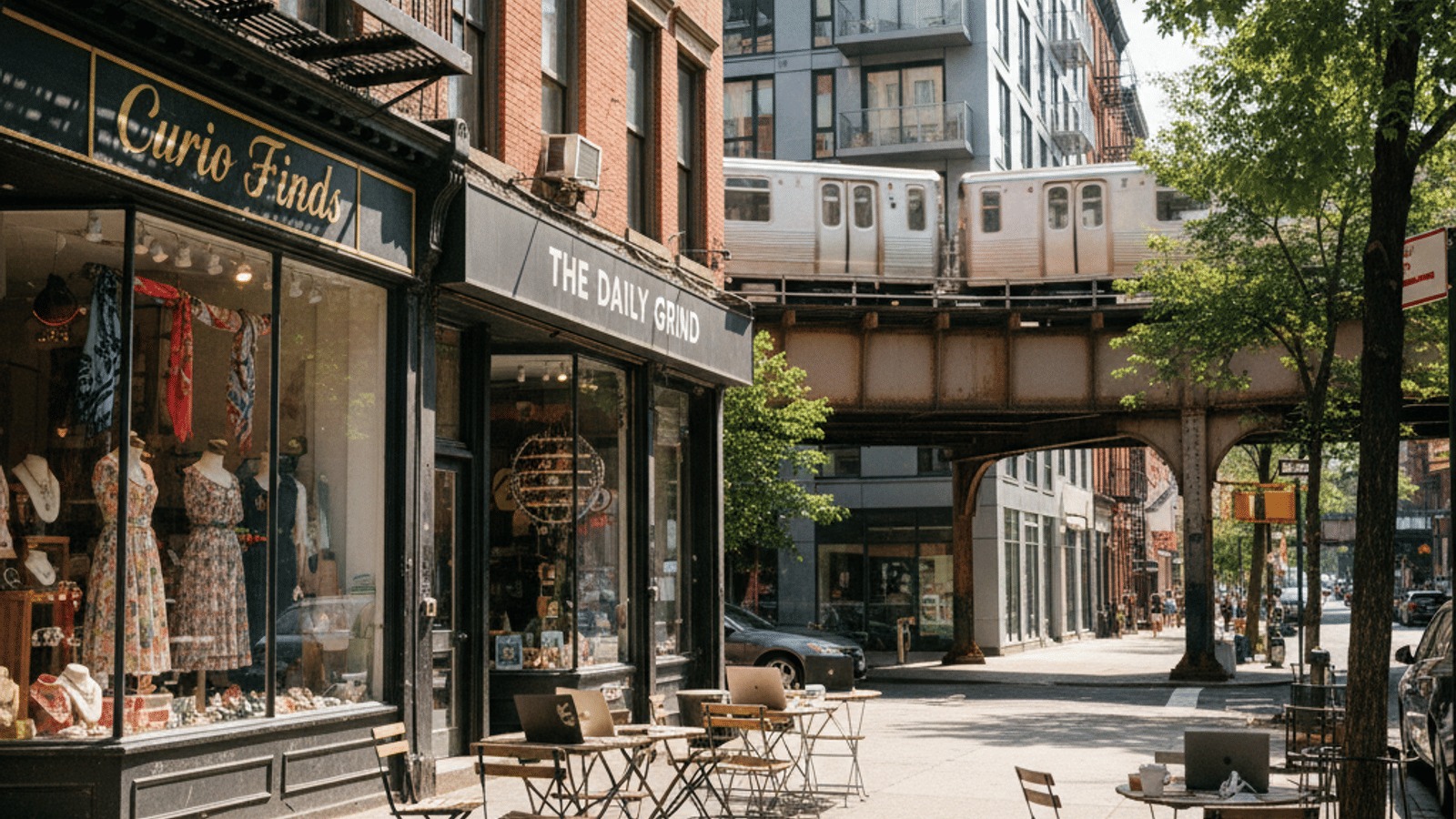
When most people think of the Lower East Side, they picture the nightlife, the history, or the incredible food scene. But if you’re looking at living in the Lower East Side, you need to know how it functions as a place to work—or a place to commute from.
The employment landscape here is unique. It’s a mix of hyper-local service and creative jobs right on your doorstep, combined with a massive population of high-earning professionals who treat the neighborhood as a bedroom community. You have a dual identity at play: the historic immigrant roots that built the local economy meeting modern luxury developments that house Wall Street traders and tech workers.
For many of my clients, the Lower East Side is the ultimate strategic move. It is perfectly positioned for hybrid workers who need a cool home office environment but also have to dash to Wall Street or Downtown Brooklyn a few times a week.
Employment Trends in the Lower East Side (2026)
As we settle into 2026, the economic climate in the neighborhood has shifted noticeably. While New York City's private sector growth has moderated compared to the boom we saw a couple of years ago, the labor participation rate remains strong. We are seeing a specific kind of resilience here that outpaces other parts of Manhattan.
The local economy has seen a robust recovery in the leisure, hospitality, and retail sectors. If you walk down Orchard or Ludlow, storefronts are active, and new concepts are opening regularly. But the biggest shift I’ve noticed is the rise of the "Creator Economy." We have a higher density of independent contractors, consultants, and freelancers living in Lower East Side apartments than ever before.
We are also seeing a spillover of tech and creative agencies. They aren't renting glass towers; they are moving into converted loft spaces near the Chinatown border.
• NYC Unemployment: Hovering around 5.6% citywide, with healthcare and tech leading the charge.
• Sector Growth: Leisure and hospitality are strong locally, while private sector office jobs have seen steady, albeit slower, growth.
Dominant Local Industries: Who is Hiring in the LES?
If you are looking for work directly within the neighborhood boundaries—meaning you want a zero-minute commute—the opportunities are distinct.
• Hospitality & Nightlife: This is the engine of the Lower East Side. We aren't just talking about dive bars anymore. The area is home to major hotel operations like the Holiday Inn and high-end boutique hotels that employ hundreds of staff. World-class restaurants require sommeliers, managers, and seasoned service staff.
• Retail: The retail landscape is a mix of old and new. You have the stability of major chains like Trader Joe's, Target, and Whole Foods, which are constant sources of employment. On the flip side, the independent vintage boutiques and streetwear shops offer roles for those with a more specialized fashion background.
• Arts & Culture: This is the heart of the neighborhood's brand. Institutions like the Tenement Museum and the International Center of Photography (ICP), along with dozens of independent galleries, drive a significant number of cultural sector jobs.
• Public Sector: It is important to remember that the NYCHA developments and local community organizations are major employers here, providing stability for administrative and maintenance roles.
Commuting from the Lower East Side: A Strategic Advantage
For many residents, the best job "in" the Lower East Side is actually ten minutes away. The commute is arguably the neighborhood's strongest financial asset.
• Financial District (FiDi): If you work in finance, this is one of the most convenient places you can live. The commute to Wall Street is practically non-existent. You can hop on the J or Z line and be there in about 10 minutes. In better weather, many residents simply bike or even walk.
• Midtown Manhattan: Getting to Midtown is straightforward. The F and M trains cut right through the neighborhood, generally getting you to desk-side in 20 to 30 minutes depending on where in Midtown you need to be.
• Brooklyn Creative Hubs: The Williamsburg Bridge isn't just a landmark; it’s a direct artery to the tech and creative scenes in Brooklyn. If you work in DUMBO or Williamsburg, you can bike over the bridge or take the subway one stop. It connects you to that creative economy without forcing you to live in it.
• Ferry Access: Don't overlook the water. The NYC Ferry at Corlears Hook is a game changer for many. It connects you to Pier 11/Wall Street or up to East 34th Street. It is a much more civilized way to start the morning than a crowded subway car.
Remote Work and Coworking in the LES
The "work from home" lifestyle has reshaped the neighborhood's amenities. Since 2026 began, we've seen that hybrid work is here to stay, and the local infrastructure supports it.
The neighborhood has an incredibly high density of freelancers, and they need places to work. The Yard on Delancey Street is a popular spot, offering rooftop views and that industrial style that fits the neighborhood vibe. Another great option is Based In, located near Chinatown, which caters to a creative crowd.
Beyond formal offices, the cafe culture here is built for the laptop class. You will find that coffee shops on almost every block are accustomed to the daytime remote workforce. Plus, internet infrastructure is solid, with high availability of fiber optics in the newer developments and renovated buildings.
Salary Expectations vs. Cost of Living
We have to talk about the numbers because the spread here is wide. The Lower East Side is economically diverse, perhaps more so than any other part of Manhattan below 14th Street. Income ranges from entry-level service wages to seven-figure finance salaries living in the sleek condos on the waterfront.
The average NYC salary sits around $99,000 gross, which applies to many of the young professionals renting here. However, local service jobs will range significantly lower. This creates a specific dynamic when it comes to housing.
• The Rent Burden: Demand for Lower East Side rentals is high. Landlords typically require you to earn 40 times the monthly rent. If a one-bedroom is $3,500, you need to show an income of $140,000. This often means roommates are a necessity for entry-level workers.
• Daily Costs: Food and nightlife will likely be your biggest variable expenses. You can spend $20 on a cocktail, or you can grab incredibly affordable produce at Essex Market and Chinatown. Your cost of living really depends on how you shop and eat.
Notable Employers and Anchors
While many residents commute out, there are several anchor organizations that keep the local ecosystem running.
• Essex Market: This isn't just a food hall; it's a massive hub for small culinary businesses and vendors.
• New York City Housing Authority (NYCHA): A primary employer for a wide range of maintenance, administrative, and support roles.
• Educational Institutions: Between the local public schools and the nearby NYU facilities, there are consistent academic and support jobs available.
• Tech & Startups: You won't find a Google HQ here, but you will find small ad agencies, architecture firms, and tech startups leasing floors in the low-rise buildings along Broadway and Bowery.
Job Market Conditions by Experience Level
The opportunities available to you depend heavily on where you are in your career.
• Entry-Level: There are abundant roles within the neighborhood for those just starting out, particularly in retail, hospitality, and administrative support. However, the challenge is rarely finding the job—it's affording the apartment on that salary.
• Professional & Senior: Most residents in senior roles—partners in law firms, finance directors, tech leads—use the Lower East Side as a lifestyle choice. They commute to FiDi or Midtown. They live here for the culture and the food, not because their office is down the block.
• Creatives: This is the sweet spot. Mid-level opportunities for artists, designers, and marketers are common in local studios. It is one of the few places in Manhattan where the creative industry still has a physical foothold on the ground level.
Is the Lower East Side Right for Your Career?
Choosing to move here is about balancing lifestyle with logistics. If you prioritize a short commute to the Financial District or want to be immersed in a vibrant creative scene, this neighborhood is hard to beat.
The trade-off is the cost. You are paying a premium for the proximity to culture and convenience. But for many, the ability to walk to work or ferry home at sunset makes the price tag worth it. If you are ready to see what's out there, now is a great time to start exploring apartments in the Lower East Side.
FAQ: Working and Living in the LES
What is the average commute time from the Lower East Side to Wall Street?
It is extremely fast. If you take the subway (J or Z lines), you can be there in about 5 to 10 minutes. Many residents also choose to bike or walk, which takes roughly 15 to 20 minutes depending on your pace.
Are there good remote work spaces in the Lower East Side?
Yes, the neighborhood is well-equipped for hybrid workers. Places like The Yard on Delancey offer professional coworking environments, and there is an abundance of laptop-friendly cafes throughout the area that welcome remote workers during the day.
What industries are most prominent in the Lower East Side?
Locally, the hospitality, nightlife, and retail sectors are the dominant employers. However, a large portion of residents work in the Financial Services and Creative/Tech sectors, commuting just outside the neighborhood to FiDi or Brooklyn.
Is the Lower East Side affordable for entry-level workers?
It can be challenging due to the "40x rent" rule. While there are plenty of entry-level service and retail jobs, the cost of housing often requires workers to have roommates or look for specific affordable housing options within the mix of local developments.